Stepping into a temporary job in construction or restoration can be exciting. The work is hands-on, fast-paced, and often provides opportunities to build skills quickly. But before you pick up your hard hat and head to the job site, there’s one thing that matters most: safety.
Whether you’re swinging a hammer on a framing project or handling cleanup after a fire or flood, protecting yourself (and those around you) should always be your top priority. At Pirate Staffing, we believe that no job is successful unless it’s done safely. Here’s what you need to know before starting your next assignment.
Why Safety Matters for Temp Workers
Construction and restoration environments can be unpredictable. From heavy machinery and power tools to unstable structures and hazardous materials, the risks are real. According to the CDC’s National Institute for Occupational Safety and Health (NIOSH), construction is one of the most dangerous industries for workplace injuries.
Temporary workers face an added challenge—they may not be as familiar with a job site’s procedures or the specific hazards of a project. That’s why being proactive about safety is so important.
Safety Essentials to Know Before You Start
Here are a few key practices to keep in mind before stepping onto any construction or restoration site:
1. Understand the Safety Briefing
Every professional site should begin with a safety orientation. Pay close attention during these sessions—they cover critical information like evacuation routes, hazard areas, and proper equipment use. If something isn’t clear, ask questions.
2. Wear the Right Personal Protective Equipment (PPE)
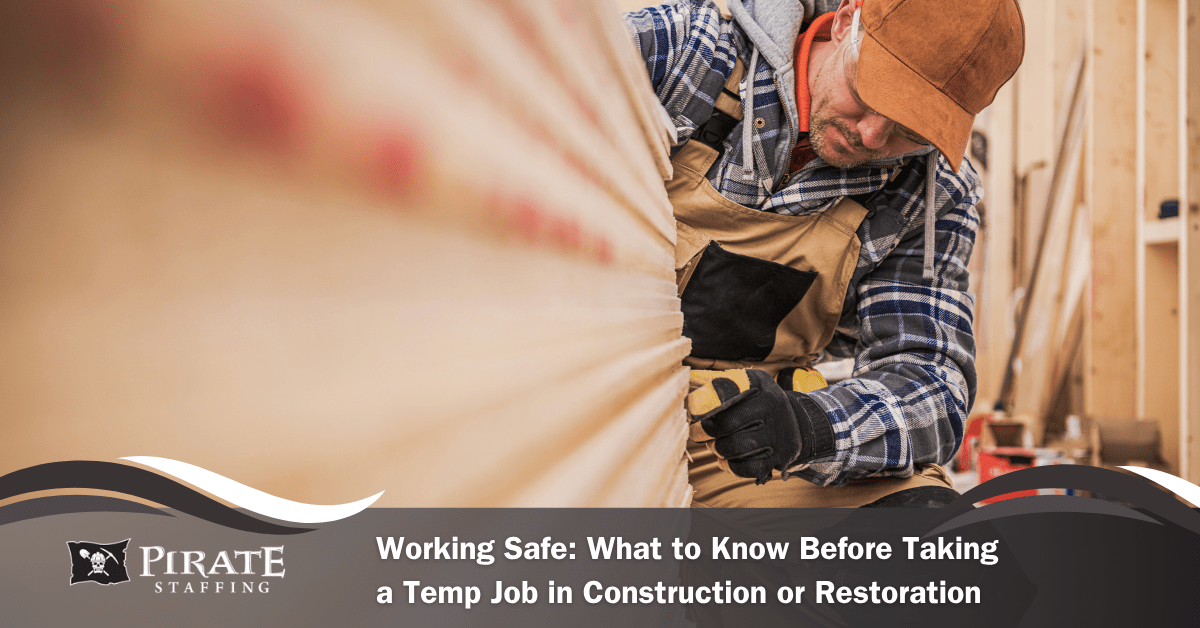
Hard hats, safety glasses, steel-toed boots, gloves, and high-visibility vests aren’t optional. They’re your first line of defense. On restoration jobs, additional PPE like respirators or protective suits may be required to handle mold, dust, or chemical exposure.
3. Know How to Handle Tools and Equipment
Never use machinery or power tools without training. If you haven’t been shown the proper way to operate equipment, request instruction before starting. Unsafe tool use is one of the most common causes of job site injuries.
4. Stay Alert to Your Surroundings
Construction and restoration sites can change quickly. A ladder that was safe in the morning could become a hazard by the afternoon. Stay aware of moving equipment, overhead work, and shifting conditions at all times.
5. Follow OSHA and Site Regulations
Regulations are there for a reason—to keep you safe. Familiarize yourself with Occupational Safety and Health Administration (OSHA) standards and any site-specific rules. Shortcuts may save a few seconds but can cost you (and your team) much more in the long run.
How Pirate Staffing Puts Safety First
At Pirate Staffing, we don’t just connect you with a job—we connect you with opportunities that prioritize your wellbeing. Here’s how we stand apart:
- Rapid Placements: We move quickly to get you working, but never at the expense of your safety.
- Safety-Trained Workers: We emphasize safety training so you walk onto the job site prepared.
- Respect for Candidates: We treat every worker as a valued professional, ensuring you’re matched with employers who take safety seriously.
We’re committed to making sure you feel confident, supported, and protected in your role.
Building a Safer Future in Construction and Restoration
When you start a new temp job, it’s natural to focus on pay, hours, and responsibilities. But never forget: the most valuable thing you take home each day is your health. By asking the right questions, using the right equipment, and partnering with a staffing firm that puts safety first, you can build a rewarding career without unnecessary risks.
Ready to find a temporary construction or restoration job where your safety is respected? Pirate Staffing can help. Check out our current opportunities here.
Stepping into a temporary job in construction or restoration can be exciting. The work is hands-on, fast-paced, and often provides opportunities to build skills quickly. But before you pick up your hard hat and head to the job site, there’s one thing that matters most: safety.